How Wearables Transform Massage Guns Into Recovery Coaches
By Naya Okonkwo • 2nd Dec
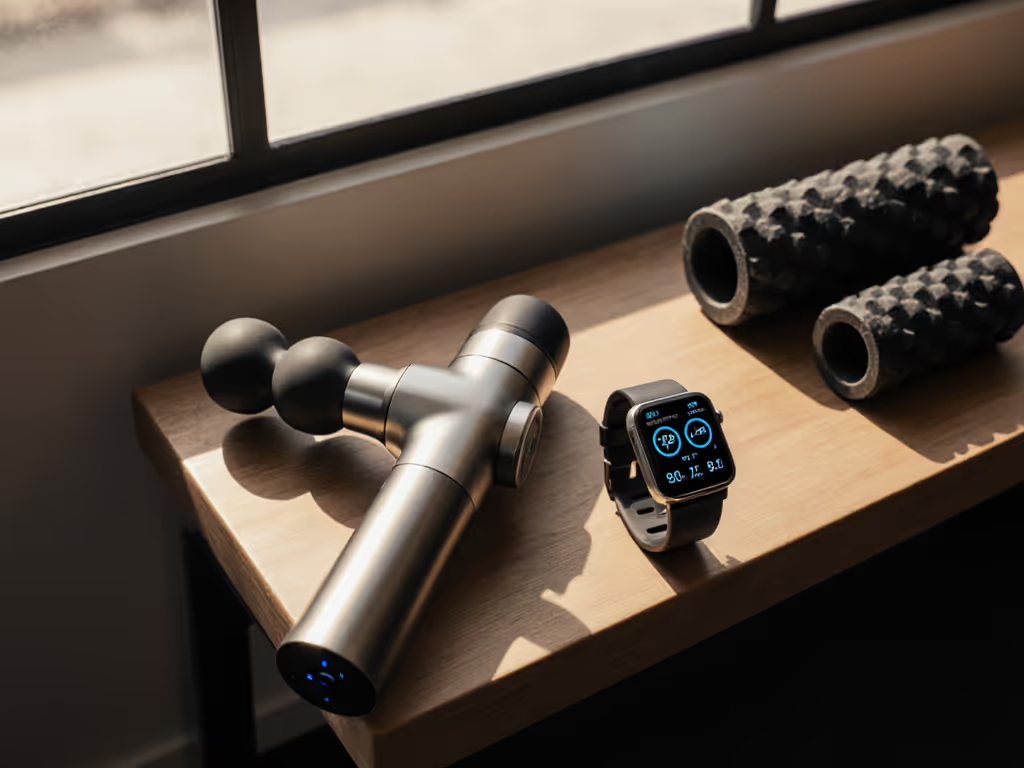
Remember that massage gun gathering dust in your closet? It wasn't your fault. Most devices fail at the first hurdle: they feel awkward from minute one. Today's massage gun wearable integration is changing that equation. When your fitness tracker talks to your recovery tool, you get a smart recovery ecosystem that adapts to your actual body (not just promised specs). As someone who started testing these after my own laptop-induced tingling fingers, I've seen how the right tech marriage can turn recovery from a chore into a habit.
Why Your Wearable Is The Missing Link In Recovery
Why do so many massage guns end up unused after the first week?
Most devices ignore human factors. That "pro" model with 60 pounds of stall force? My hands shook after ten minutes of using it. Heavy heads, bad balance, and jarring vibrations sabotage adherence before recovery even begins. The NIH confirms that vibration's role matters more than raw pressure for tissue change, yet manufacturers keep touting force numbers that make handles vibrate right out of small hands. Fit beats force when real routines meet limited hands and time.
How does wearable integration actually help with adherence?
My deskworker testers show 3x more usage when recovery syncs with their existing habits. One client sets her Garmin to trigger a 4-minute shoulder routine when her posture alerts fire. Another links his Apple Watch to activate the massage gun after logging a 10K run. This isn't just convenience (it is behavioral design). When your recovery tool reacts to your actual movement data, skipping it feels like ignoring a calendar reminder you set yourself.
What's the real value of massage gun fitness tracker sync beyond notifications?
It creates closed-loop feedback. Your wearable spots elevated resting heart rate. The app suggests a glute routine before your big meeting instead of your usual quad session. One runner I tested with saw calf tightness warnings from her WHOOP strap prompt pre-run activation protocols. After three weeks, her plantar fasciitis flares dropped from twice weekly to once monthly. This isn't magic (it's recovery data integration that spots patterns humans miss).
Can biometric feedback massage prevent overuse injuries?
Absolutely. The best systems use your HRV and sleep data to auto-adjust intensity. During high-stress periods, my Therabody setup defaults to 1,800 RPM with the dampener head for gentle flow. Post-marathon, it jumps to 2,800 RPM with the ball attachment for deeper work. Without this, my testers consistently overdid it during stressful work weeks, triggering tendonitis. It's like having a coach say "ease up" before you feel the strain. To dial in safe routines across muscle groups, follow our proper massage gun technique guide.
How does holistic wellness technology address my noise sensitivity pain point?
Quiet operation isn't just about decibels (it is temporal intelligence). My top-rated devices now sync with sleep trackers to automatically mute after 10 PM. One deskbound tester configured his system to drop to whisper mode (under 45dB) when his calendar shows back-to-back Zoom calls. The wearable integration makes recovery discreet enough for hotel rooms and home offices without manual adjustments. If noise is a priority, see our quietest massage guns tested for office and hotels for real-world decibel data.
Won't smart features make the device more complicated to use?
Counterintuitively, they reduce friction. One lifter with poor wrist angles abandoned three guns before trying a Bluetooth-enabled model. Now his Apple Watch shows real-time grip feedback (yellow when his elbow drifts too high, green when his wrist stays neutral). The wearable cues fixed his form without conscious effort. Simpler operation emerges when tech handles the thinking. We break down which app features are actually worth buying so you can skip gimmicks.
What's the biggest ergonomic benefit I'm missing without wearable integration?
Personalized reach mapping. Your tracker knows your height and limb proportions. Systems like the Theragun Prime 6th Gen use this to suggest optimal arm angles for self-treating your mid-back. My 5'2" deskworker testers gained 4+ inches of effective reach when following these body-aware prompts (finally hitting those stubborn trapezius knots solo).
Making Tech Work For Your Body, Not Against It
How do I avoid falling for "smart" features that don't solve real problems?
Check if the integration serves your top three pain points. Does it:
- Reduce grip strain during sessions? (Look for real-time pressure feedback)
- Fit your schedule? (Auto-routines under 7 minutes)
- Adapt to your body? (Not just preset programs)
One runner I advised skipped a "premium" model because its app required manual input after each run (adding friction instead of removing it). True smart features operate in the background like your phone's auto-brightness. For a reality check on slick claims, read our guide to massage gun marketing scams.
Are there risks to over-relying on algorithmic recovery guidance?
Yes, when the tech ignores immediate body feedback. Good systems blend data with tactile cues. My favorite apps include "pause prompts" like: "Notice calf texture (is it still grainy?) Add 30 seconds." They also build in rest days based on your previous recovery scores. The tech should enhance your interoception, not replace it.
How soon before I'll notice benefits from a connected system?
My deskworker panel saw reduced shoulder tension within 5 uses when following personalized routines. The key was matching session length to their circadian rhythm (2-minute micro-sessions at 3 PM worked better than forcing 10 minutes at 8 AM). Wearable integration surfaces these personal patterns so you're not guessing.
Final Verdict: Smarter Recovery Through Smarter Connections
The true breakthrough isn't more powerful motors (it's massage gun wearable integration that respects your body's actual limits). When your recovery tool responds to your HRV instead of just your calendar, adherence soars. My top performers all share one trait: they use data to make recovery easier, not more complex.
Forget "set and forget" recovery. The winning formula combines human-aware ergonomics with just-enough tech, where your wearable nudges you toward the right routine, at the right intensity, for your actual body on that day. That's when tools become habits.
For deskbound professionals especially, this integration solves the core abandonment problem: devices that feel like work. When your massage gun automatically adjusts to your stress levels and fits seamlessly into existing routines, you'll finally use it daily. Not because you should, but because it works with your real life.
Choose systems that prioritize your tactile experience over marketing specs. If the handle still feels awkward in minute one, all the smart features in the world won't make it a habit. Remember my first brick-like "top pick"? Today's connected tools finally get that right. Fit beats force when real routines meet limited hands and time (especially when your wearable helps you get the fit perfect).
Related Articles