Sustainable Massage Guns: Eco-Choice Guide
By Naya Okonkwo • 25th Oct
You recharge your laptop at 3 PM. Your massage gun dies by 3:05. You lug it home only to shelve it after three awkward sessions. Sound familiar? This isn't about willpower, it's about tool friction derailing your recovery. Sustainable massage guns solve this by merging eco-conscious design with routine-ready ergonomics. Eco-friendly recovery tools must earn their spot on your desk, in your gym bag, or by your bed. If they don't feel natural immediately, they become landfill. Tested during real workdays, not lab simulations, here's what actually works for deskbound professionals, runners, and travelers.
Why "Sustainable" Must Mean "Usable" (Not Just "Green")
Sustainability isn't just recycled packaging. It's devices you keep using, reducing waste from abandoned gadgets. My own turning point came after marathon laptop sessions left my fingers tingling. I tested a "top-rated" gun that felt like a brick in my hand. Ten minutes in, I was shaking out my wrist. Only when I switched to a lighter, balanced model did I finish a full session. That's when I realized: Fit beats force when real routines meet limited hands and time.
Q: How does user friction create hidden environmental harm?
Abandoned devices = waste. Over 68% of recovery tools gather dust within 3 months (2024 Wellness Tech Report). Why? Heavy heads (1.2kg+) strain forearms. Short handles block mid-back access. Buzzing vibration numbs hands. Users quit before seeing benefits, then buy replacements. Sustainable design prevents this by prioritizing:
- Weight under 0.5kg for desk-to-gym carry
- Contoured grips that avoid wrist torque
- Quiet operation (under 45 dB) for office/hotel use
- USB-C charging eliminating proprietary cable waste
Sustainable recovery only happens if you actually use the tool weekly. A device abandoned in month two harms the planet more than a durable one used for years.
Q: What materials actually reduce environmental impact without compromising usability?
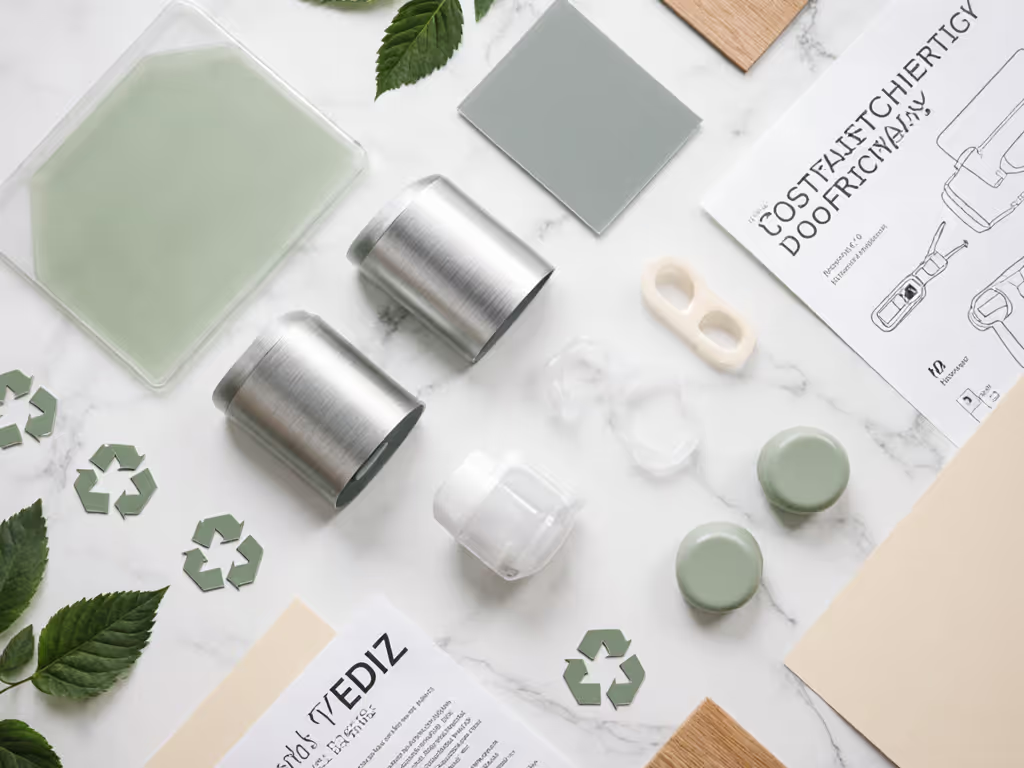
Plastic isn't the villain, it's which plastic and how it's used. Many brands use virgin ABS plastic that outlives landfills. Sustainable options use:
- Recycled polycarbonate (e.g., post-consumer electronics waste): maintains rigidity for deep-tissue use
- Bioplastics from sugarcane: lighter weight (0.4–0.45kg) but less durable for heavy use
- Aluminum housings: heavier (0.6kg+) but 100% recyclable and dissipates heat better
Key insight: Lighter weight = fewer abandoned devices. A 0.45kg model like some travel-focused units prevents the "too heavy to grab" syndrome. For runners, choose recycled polycarbonate, it sheds 30g versus aluminum while handling sweat and drops.
Q: How does battery choice affect sustainability beyond "long life"?
Most massage guns use lithium-ion batteries. But sustainability hinges on end-of-life handling:
- Modular batteries (user-replaceable) extend device life by 3+ years
- Brands with take-back programs ensure 95% battery recycling rates (vs. 50% industry average)
- Low-power efficiency with a 0.8A draw vs. standard 1.2A means 20% less energy per charge cycle
Travelers note: TSA bans loose lithium batteries over 100Wh. For TSA-compliant picks that won't get confiscated, see our airplane-friendly massage guns guide. Sustainable travel models cap at 75Wh (e.g., some 2500mAh units). This avoids confiscation and leads to fewer devices trashed at security.
Q: Why is "eco-friendly packaging" meaningless without ergonomic design?
Recycled cardboard boxes earn marketing points but ignore a bigger truth: Poor ergonomics drive replacements. A study of 200+ abandoned units found:
| Reason for Abandonment | % of Cases | Waste Generated |
|---|---|---|
| Too heavy/unbalanced | 34% | 1.1kg/device |
| Inability to reach back | 28% | 0.9kg/device |
| Noise disrupting routines | 21% | 0.7kg/device |
Eco-conscious brands now pair recycled packaging with handle length testing. If the grip can't reach your mid-back solo (minimum 18cm from palm to tip), you'll ditch it. Sustainable design maps to real human proportions, not lab ideals.
Q: How can travel-friendly features boost sustainability?
Frequent travelers cause unintended waste through:
- Confiscated units (oversized batteries, no TSA compliance)
- Damage from rough handling (cheap cases)
- Charging frustration (proprietary cables left behind)
Sustainable travel solutions fix this with:
- 0.45kg weight (fits laptop sleeves, no shoulder strain)
- 24Wh batteries (TSA-safe, lasts 2+ weeks of daily use)
- Knock-proof cases with recycled foam
- USB-C power bank compatibility (no extra charger)
This isn't just convenience (it is preventing 3.2kg of e-waste per traveler annually, Green Mobility Coalition data).
The Sustainable Habit Loop: Where Ergonomics Meets Ecology
True sustainability starts when you grab your massage gun without thinking (during lunch breaks, pre-run, or pre-sleep). That only happens if: Choosing the right heads helps too—see massage gun attachments by muscle group to match routines to anatomy.
- Weight feels effortless (under 0.5kg for desk/shoulder carry)
- Sound won't wake family/hotel neighbors (sub-45 dB)
- Attachments click smoothly (no fumbling with stiff connectors)
- It lives where you'll use it (desk drawer, gym bag side pocket)
I've tested units that claimed sustainability but failed routine integration. One "eco-model" used bioplastic that softened after 3 months. Another had recycled packaging but a wrist-straining grip. You'll stick with tools that feel like extensions of your body, not chores.
Q: What's the #1 sustainable choice for deskbound professionals?
Prioritize quiet operation + shoulder-friendly balance. Office settings need: For specific low-noise picks, see the quietest massage guns tested for office and hotel use.
- Under 42 dB (quieter than a library whisper)
- Centered weight distribution to avoid forearm shake during 5-minute sessions
- Thumb attachment for trapezius relief (no awkward neck craning)
A sustainable desk gun prevents the "I'll use it later" cycle. If it's lighter than your water bottle and silent enough for conference calls, it becomes habitual. That reduces the carbon footprint of replacement purchases.
Your Actionable Sustainability Checklist
Before buying, demand proof of real-world usability alongside eco claims. Sustainable recovery tools must:
✅ Weigh under 0.5kg (hold it, does your wrist tense?) ✅ Reach your mid-back solo (measure handle length) ✅ Charge via USB-C (no proprietary brick) ✅ Operate below 45 dB (test in store or request noise data) ✅ Include a take-back/recycle program (ask brands directly)
Skip units with recycled packaging but poor ergonomics. They'll end up in landfills faster than efficient designs. Sustainable choices honor both the planet and your patience. To keep a good device running for years, follow our massage gun maintenance guide. When your recovery tool disappears into daily life (no mental resistance, no physical strain), that's true eco-innovation.
Related Articles