Massage Gun Nerve Health: Safe Percussion Therapy
By Kira Volkov • 22nd Oct
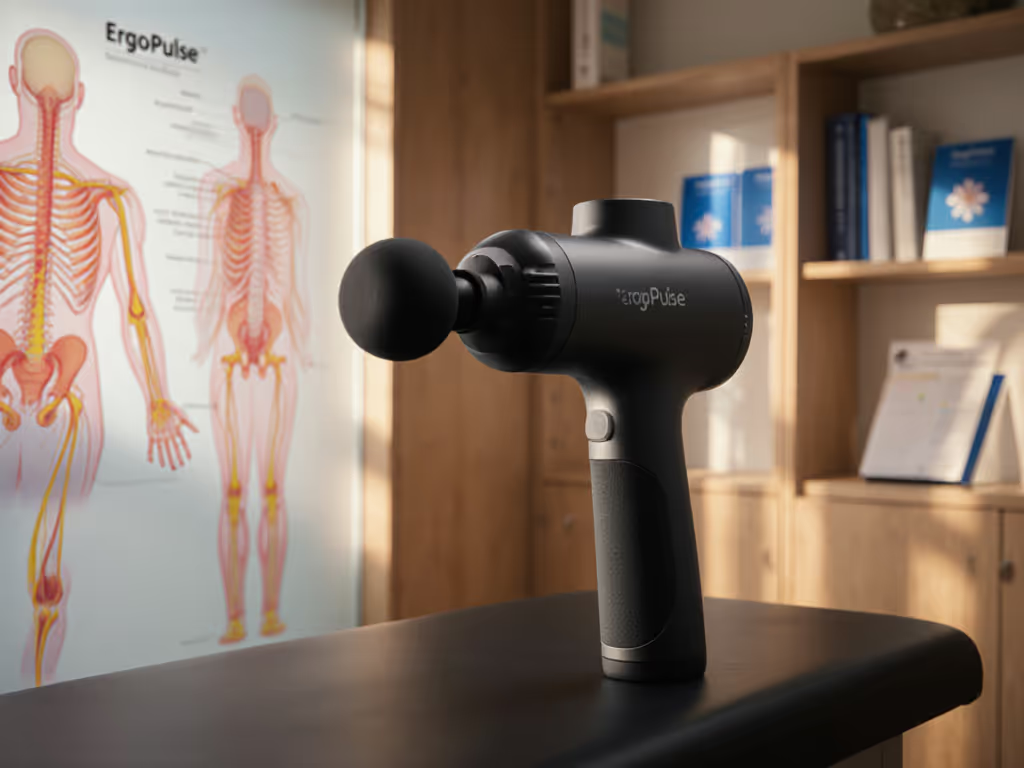
Posterior chain reach test is torque meeting tissue. Massage guns deliver targeted vibration to muscle groups, but their interaction with neural structures demands critical scrutiny. Massage gun nerve health hinges on understanding two competing physiological responses: stimulation that may enhance motor function versus vibration patterns that risk neurological damage. This analysis weighs peer-reviewed evidence against real-world injury reports to establish safety parameters.
Neurophysiological Mechanisms of Percussion
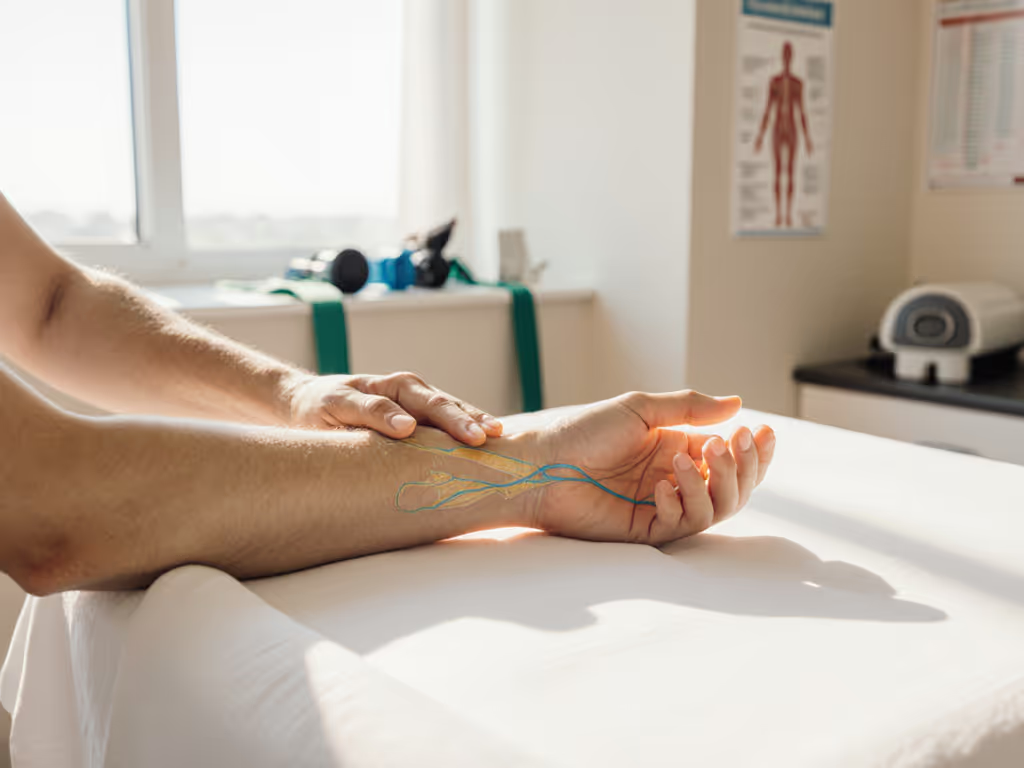
Percussive therapy's neural effects operate through afferent pathways. Vibration stimulates cutaneous mechanoreceptors (Merkel discs, Meissner corpuscles) and deep-tissue proprioceptors, triggering either:
- Tonic vibration reflex (TVR): Brief high-frequency pulses (40-50 Hz) activate muscle spindles, recruiting motor units and increasing force output potential[1].
- Autogenic inhibition: Prolonged low-frequency vibration (10-30 Hz) stimulates Golgi tendon organs, reducing muscle tone via Ib inhibitory pathways[1].
Optimal frequencies vary by muscle group. Triceps surae and quadriceps respond at 10-50 Hz[1], but neural structures have no such predictable thresholds.
Documented Neural Risks
Four clinical cases demonstrate massage gun nerve safety failures:
| Case | Area Targeted | Neurological Risk |
|---|---|---|
| 1 | Groin (psoas) | Femoral nerve/artery damage |
| 2 | Armpit | Brachial plexus injury (arm disability) |
| 3 | Lateral knee | Peroneal nerve damage (foot drop) |
| 4 | Gluteal region | Bursitis exacerbation |
Massage guns applied near neural bundles or inflamed tissue caused structural harm[2]. The cervical region carries particular risk: aggressive vibration may dissect vertebral arteries, potentially triggering stroke[7]. For a detailed overview of zones and contraindications to avoid, see our massage gun safety guide.
Potential Benefits for Neural Conditions
Emerging evidence suggests controlled nerve stimulation benefits under specific conditions: For the current evidence base, review our research-backed benefits summary.
- Neuropathy: Low-frequency vibration (≤30 Hz) may temporarily alleviate neuropathic pain through gate-control theory mechanisms. Aβ fiber activation inhibits nociceptive C-fiber transmission[1][3].
- DOMS management: Vibration at 38-47 Hz increased blood flow 24-47% in 5-10 minute applications, aiding metabolic waste clearance that irritates nerve endings[1][4].
However, frequencies exceeding 50 Hz or bony-area application negate these benefits. To set safe frequency, pressure, and duration, follow our proper massage gun technique guide.
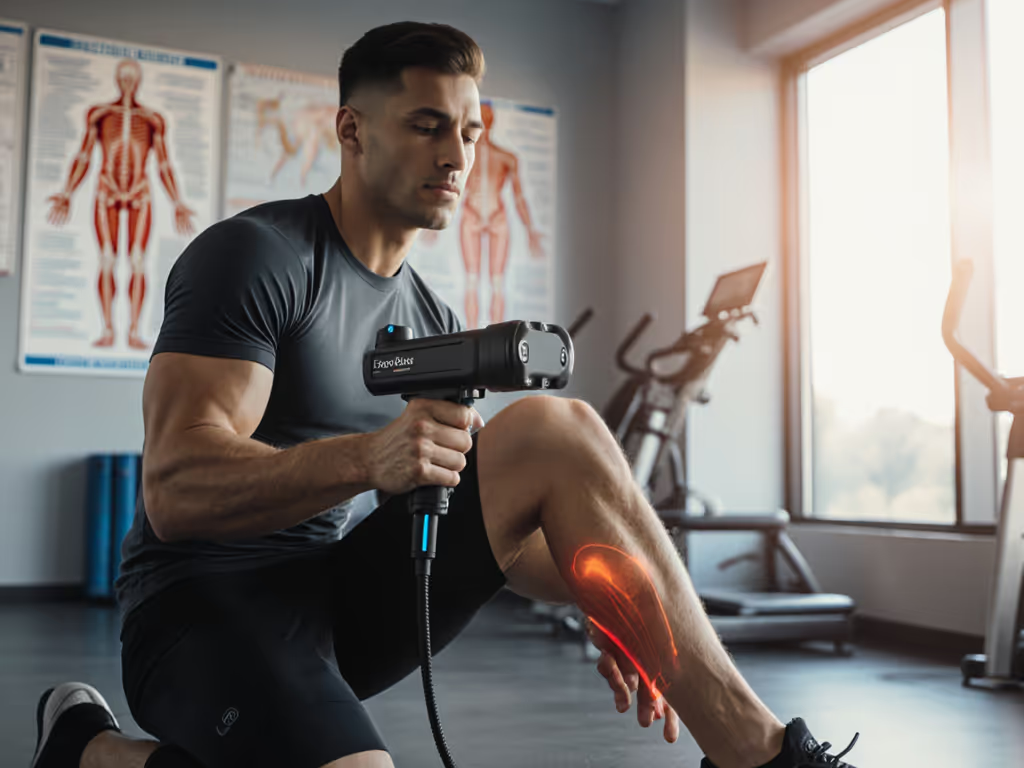
Critical safety protocol: Never apply percussion directly over nerves, bony prominences, or areas of acute inflammation.
User-Specific Safety Guidelines
Desk workers with cervical stiffness:
- Avoid neck vibration entirely; target trapezius 2 cm below skull base
- Max 2 minutes/session at speed 2 (angled handles help enable reach without wrist torque)
Runners targeting sciatic pathways:
- Gluteal application only on fleshy upper quadrant
- Use dampener attachment at 30 Hz
Lifters managing radicular symptoms:
- Strictly contraindicated without sports medicine clearance
Verdict: Precision Over Presumption
Percussion therapy's neural response to vibration is biomechanically plausible but clinically unproven for neuropathy treatment. Benefits emerge only when:
- Frequency/target match peer-tested parameters
- Users possess anatomical knowledge
- Devices feature stall-force control (≥60 lbs) to prevent tissue trauma
Three critical non-negotiables:
- No unsupervised cervical/peripheral nerve application
- No use near vasculature
- No sessions exceeding 10 minutes per muscle group
For individuals with diagnosed neural conditions, consult a physical therapist before attempting percussive therapy. Posterior chain reach test is grip meeting biology, prioritize safety over speculative relief.
Related Articles