Lymphatic Drainage Massage Gun: Depth Over Hype
By Kira Volkov • 7th Mar
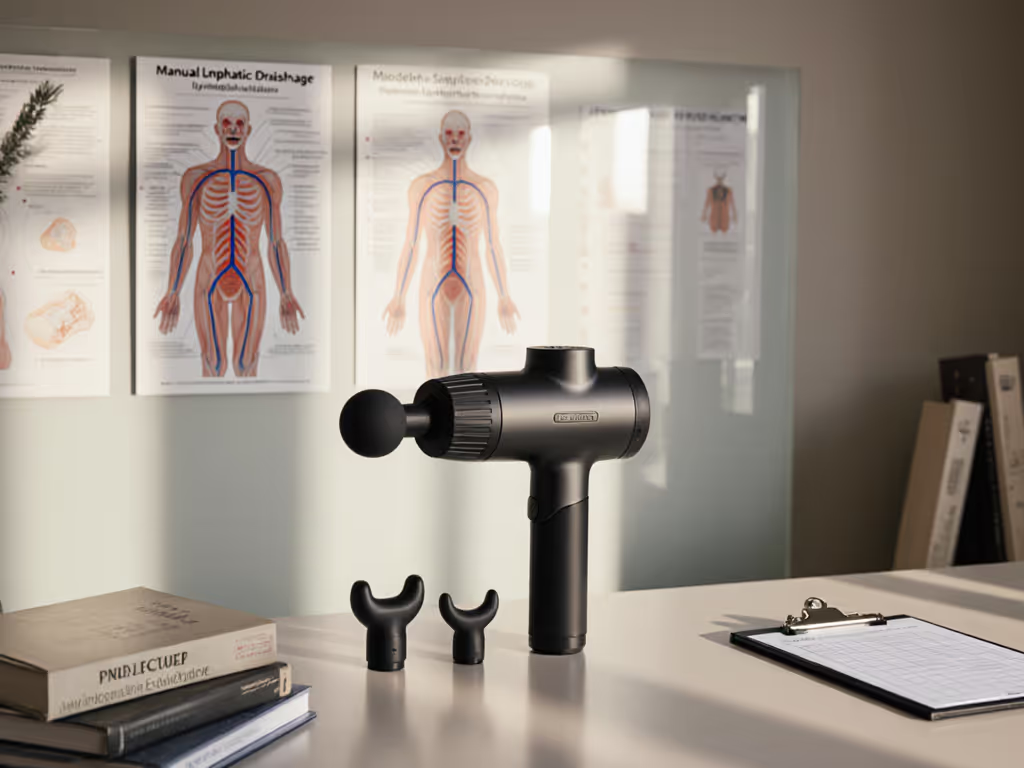
Marketing loves the word "lymphatic drainage." Brands slap it on every lymphatic drainage neck massager and handheld percussion device, suggesting that deeper vibration means better toxin removal and faster recovery. The reality is simpler: research shows that massage gun edema reduction works in specific contexts, not across the board. If you're chasing a miracle tool that does it all, stop. If you want to understand where lymphatic system stimulation actually delivers, read on. For common red flags, see our massage gun marketing scams guide.
What Research Actually Shows
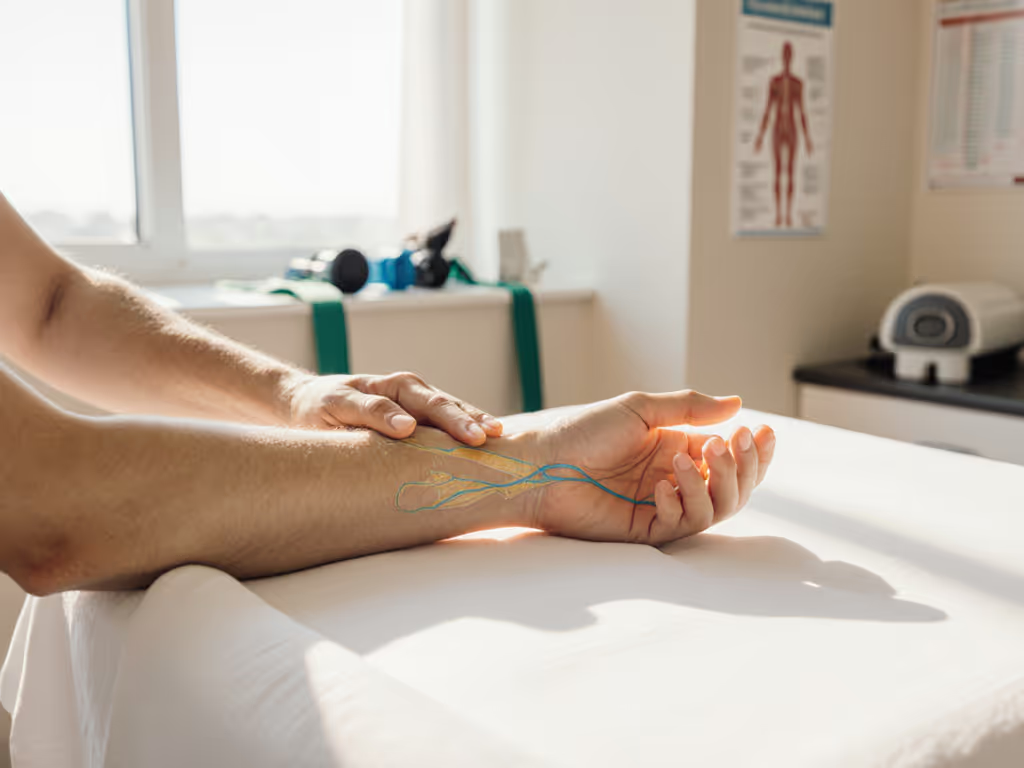
Manual lymphatic drainage techniques have the strongest evidence for resolving enzyme serum levels associated with acute skeletal muscle cell damage and reducing swelling following specific injuries like ankle sprains and wrist fractures[1]. That's a narrow lane. When a study examined professional trials involving massage gun therapy, the data showed meaningful improvements in range of motion and flexibility, but the devices did not improve strength, balance, or endurance[5][6]. This matters because most people assume a recovery tool must boost performance across the board.
The mechanism is real but not magical: massage guns create a rippling effect along the skin that can enhance blood flow to targeted areas[4]. That increased oxygen and nutrient delivery supports muscle recovery and can reduce swelling[4]. A 2023 study found that massage guns may reduce delayed-onset muscle soreness (DOMS) when applied immediately after exercise[7]. For the physiology behind soreness relief, see our DOMS massage gun science explainer. That's useful data, not hype. The catch? Duration and frequency matter. Research showed that massage guns improved blood flow volume more at higher frequencies and longer durations (38 Hz at 10 minutes produced 24% improvement, while 47 Hz at 10 minutes reached 47%[5]). Three-minute sessions won't cut it.
The Lymphatic Hype Gap
Where marketing and medicine diverge is the "lymphatic drainage" claim. Your lymphatic system is essential for immune function and fluid balance[3]. But here's the distinction: if your lymphatic system is healthy and unblocked, manual lymphatic drainage (whether by massage gun or hand technique) does not magically accelerate what already works[3]. The proven application is post-surgical swelling protocols and documented edema management after trauma[1]. Case studies show measurable wins: one patient with post-orthopedic trauma leg edema saw 74% reduction after 7 weeks of 45-60 minute sessions, three times weekly[1]. That's deep clinical work, not weekly preventive use.
Massage guns may help stimulate lymph nodes and promote fluid circulation in targeted tissues[2][8], but calling this "detoxification" oversells the device. Your kidneys and liver handle detox. Your lymphatic system moves fluid. Respect the distinction.
Where Grip, Reach, and Stall Force Decide the Game
Here's where persona matters: strength athletes need different criteria than desk workers chasing neck relief. I've tested lightweight massage guns blasted between sets during meet week. The moment the device hit serious muscle tension, a poor grip or weak stall force meant the head would slip or vibrate out of position. I swapped to a grippier handle with higher circulatory system benefits through sustained contact, and the difference was immediate, with smoother lockout during competition, without needing extra warm-up sets.
For edema management techniques to work, the device must:
- Maintain contact without slipping (grip texture and handle diameter)
- Reach problem areas solo: mid-back, glutes, hamstrings (handle length and head design)
- Keep pressure steady under load (stall force; amplitude without stalling)
- Run quiet enough for office, hotel, or early-morning use (motor efficiency)
- Stay balanced in your hand for 5-10 minute sessions without forearm fatigue
Spec sheets list hertz and amplitude. If grip and weight are your sticking points, start with our massage gun ergonomics guide to find the right handle size. Real life is whether you'll actually use it. Grip matters more than spec sheets.
Practical Protocol: When It Works
Based on evidence, massage guns deliver three legitimate use cases:
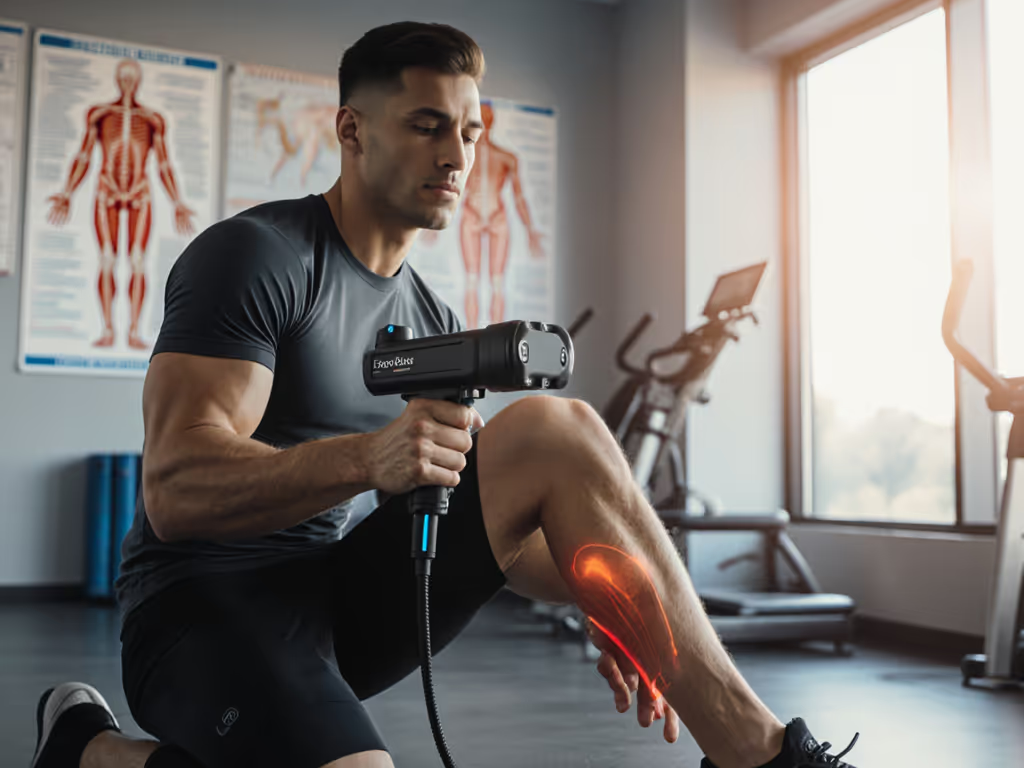
Post-exercise DOMS reduction: Apply immediately after workouts, 5-10 minutes per muscle group, at higher frequency. This has the strongest short-term data[7].
Joint swelling management: For documented edema after ankle sprain, wrist fracture, or post-surgical rehabilitation, combine with compression and movement as part of multi-modal care[1]. Expect weeks of consistent application, not overnight results.
Range-of-motion maintenance: Pre-workout or mobility work targeting stiff areas shows improvement in flexibility[5][6]. Use before complex movements or after long sitting (3-5 minutes per area).
What does not hold up: boosting power, improving balance, detoxifying faster than your body naturally does, or replacing active recovery and movement[5][6]. For safe application and contraindications, use our massage gun safety guide as a checklist.
The Skeptic's Checklist
If you're sorting specs vs fluff, our massage gun buying guide breaks down what actually matters. Before buying, answer these:
- Can you reach your own problem areas? If not, handle length and head design matter more than brand. Test reach on mid-back and glutes before purchase.
- Will you actually use it? Weight, noise, and grip comfort determine adherence. Heavy heads or awkward handles end up in drawers.
- Are you targeting a specific injury or chasing general wellness? Research supports targeted use post-injury; general "lymphatic drainage" claims fade under scrutiny.
- What frequency and duration match your routine? Higher frequencies (40+ Hz) for longer durations (8-10 min) show better vascular response[5]. Three-minute sessions are a gesture, not therapy.
- Is the handle ergonomic for your hand size and strength? A textured grip and balanced weight distribution reduce fatigue during longer sessions on large muscle groups.
Final Verdict
Massage guns are not miracle tools. They do not replace movement, compression, or clinical intervention for serious swelling. They do not boost athletic performance across the board. But they do improve range of motion, reduce post-exercise soreness when used correctly, and can manage edema as part of a structured rehabilitation protocol[5][7]. The gap between marketing and research is vast. Your job is to match the device to a specific problem, not chase a generic promise.
Choose based on grip, reach, and your actual use pattern. A quiet device with a textured handle that reaches your glutes is worth more than a branded flagship that sits unused. Grip matters more than spec sheets. If it fails under the pressure of your hand and your schedule, it fails your program.
Related Articles